
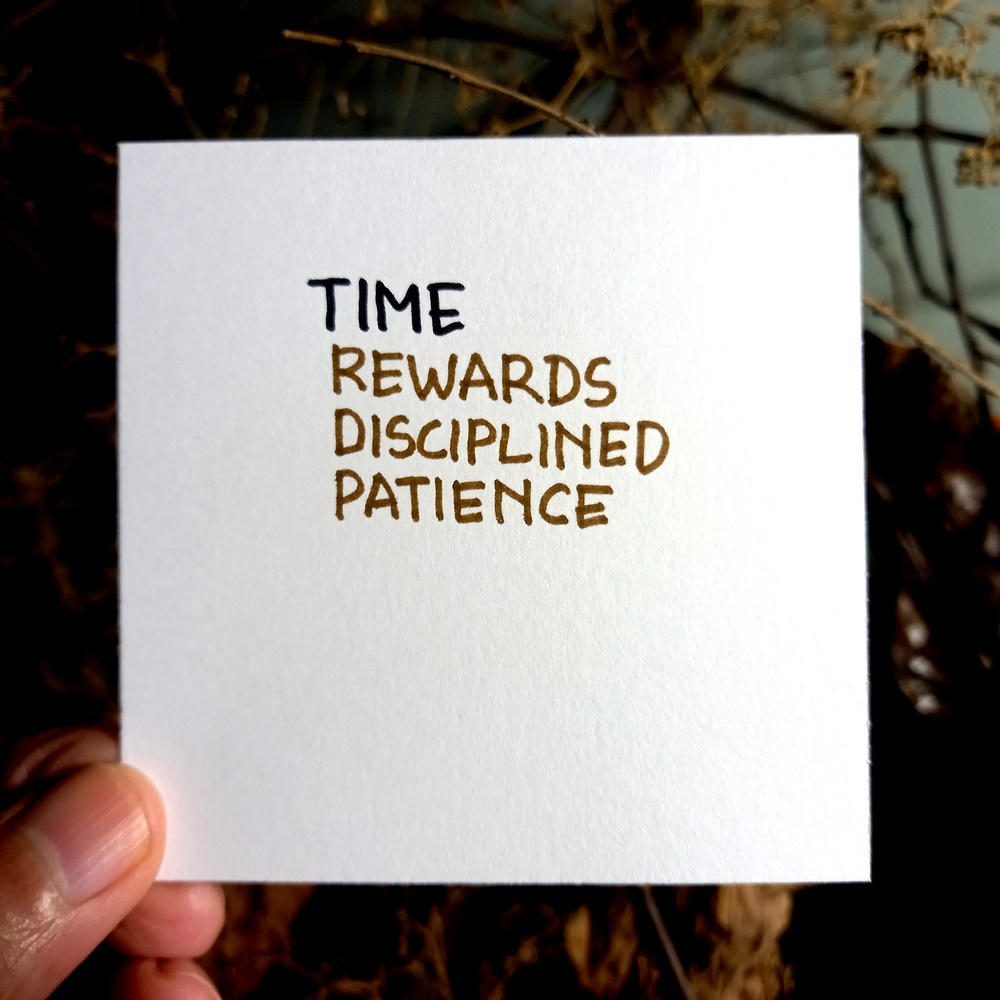
Patience Pays Off
Tech heavyweights—AI chipmaker Cerebras Systems and aerospace giant SpaceX—saw their shares dip below their respective initial public offering (IPO) prices this week. While dipping below the IPO price is a psychological blow to early buyers, we, along with Wall Street analysts, remain bullish on the long-term potential of both companies. However, there are times when good companies are poor stocks. The reason could be the supply overhang derived from locked up shares being released for trading following the IPO.
What’s Changed?
IPOs are designed to promote the prospects of any company raising capital. That’s normal. But in these cases, that process occurred in a FOMO market, causing pricing to be more a function of the promise of disruptive technology than near-term reality. With the IPOs complete, near-term fundamentals begin to take on greater meaning. Although prospects remain very good for both companies, the good news won’t be here immediately. It will take time for these companies to produce the expected tangible results.
What Has Not Changed?
The fundamentals have not changed. The prospects for each company appear very attractive. Wall Street is generally bullish on the long-term potential for both companies.
As with any IPO, insiders who owned the stock of the private company are subject to lockups; that is, their ability to sell their shares is restricted for a period of time, creating a stock overhang. These locked shares generally become freely tradable after six months, when the company has released two earnings reports and the stock is “seasoned.” This theoretically mitigates the impact of the locked shares being released for trading, although it is common for newly public companies to experience some weakness near the expiration of the lock up.
Both Cerebras Systems and SpaceX have forgone the typical 6-month lockup and implemented a complex, staggered lockup structure designed to release insider shares in tranches over the next 6 months. This is designed to avoid a single, massive supply shock, however, it still creates a steady supply of new stock into the market over the coming months. This stock overhang isn’t helping matters for these stocks, particularly during the market weakness this week.
The Problem With Huge IPOs
When a company delays its IPO until it reaches a massive valuation, it accumulates a gigantic backlog of early investors and employees over many years. This creates an enormous, coiled spring of shares that releases into the public market in the months following the debut. When a mega-company goes public, it typically only sells a tiny fraction of its total shares to the public to create the initial trading “float.” The remaining shares are locked up. When the lockup expires, the supply of tradable stock doesn’t just increase slightly—it floods the market. The public market rarely has enough immediate buying demand to absorb that much new supply, which can temporarily force the stock price down.
Early investors in these companies are typically sitting on large gains, even if the stock is trading below the IPO price. This creates a strong incentive to lock in some profits:
- Venture Capital (VC) and Private Equity Funds: Large funds are not structured to hold public equities forever. Their business model requires them to return cash to their own investors.
- Corporate Insiders and Employees: Many insiders have an overwhelming financial incentive to sell immediately upon unlock to realize life-changing wealth, regardless of the current market price.
The supply overhang is real, and savvy investors are aware of the dislocations that can result from these locked shares being freed for trading. Institutional buyers will often sit on the sidelines and wait for the lockups to expire, knowing they can likely buy the shares cheaper once the flood of insider selling hits the market. This is a case where patience can really pay off.
The potential offset to this new supply is the inclusion, and assigned weight, of these companies in major indexes, which will create new demand irrespective of price. However, those dates are unlikely to perfectly coincide with the release of restricted shares. Both of these stocks have been highly volatile and appear likely to remain so for the rest of the year until all the shares are released and absorbed by the stock market. That spells opportunity for those patient investors that did not get caught up on the IPO craziness to become long term owners at better prices. Patience Pays off.
Have a great week!
Note: For those that may be interested, we asked Google AI to provide some details of the lockup schedules for SpaceX and Cerebras. Here is what we found:
SpaceX Lockup Schedule
SpaceX’s June 12, 2026, IPO featured a highly unusual, layered release structure. The company designed these milestones to spread out selling pressure across roughly 4.6 billion insider and employee shares.
-
- Late July / Early August 2026 (First Major Wave): Insiders can sell 20% of their shares on the second trading day following the Q2 2026 earnings report.
- Performance Trigger (Unlikely to Hit): An additional 10% was scheduled to unlock if the stock traded 30% above its $135 IPO price ($175.50+) for 5 out of 10 days post-earnings. Because the stock has slipped below its IPO price, this tranche appears unlikely to be released.
- August – October 2026 (The Supply Drip): Fixed-day milestones automatically unlock incremental tranches of 7% (roughly 329 million shares) at the 70, 90, 105, 120, and 135-day marks following the June 12, 2026 debut.
- Late October / Early November 2026: The single largest concentrated event unlocks 28% (approximately 1.3 billion shares) immediately following Q3 earnings, expected in late October or early November.
- December 8, 2026 (Full Expiration): The standard 180-day lockup fully expires, freeing all remaining standard employee and early-backer shares, totaling approximately 775 million shares.
- The Elon Musk Exception: CEO Elon Musk controls roughly 6.4 billion shares. His entire position is bound to a 366-day lockup with zero early-release provisions, keeping his shares off the market until June 12, 2027.
Cerebras Lockup Schedule
Cerebras completed its IPO earlier in May 2026. Like SpaceX, it rejected the traditional “all-at-once” 180-day cliff in favor of periodic liquidity windows.
-
- First-Quarter 2026 Earnings: Directors, officers, and prominent pre-IPO investors already gained initial liquidity, unlocking 15% of their shares following Cerebras’s first public earnings call on June 23.
- September 2026: An additional chunk of about 36 million shares is scheduled to unlock immediately following the release of Cerebras’s second-quarter 2026 financial results, scheduled for September 2, 2026.
- Late August – October 2026: The structured, bi-weekly fixed-date windows execute sequentially to gradually release tranches of approximately 13.5 million to 14 million shares.
- November 2026: The final, definitive lockup expiration occurs on the earlier of two trading days post-Q3 earnings or the standard 180-day calendar mark. This will unlock the remaining block of approximately 171 million shares, which is roughly five times larger than the stock’s initial public float.
What We’re Reading
-
Economic outlook is worsening and Trump is getting blamed
-
Rare copy of Declaration of Independence found by UK National Archives in papers of captured US ship
-
Import prices post surprise gain as costs of goods from China hit highest since 2008
Palumbo Wealth Management (PWM) is a registered investment advisor. Advisory services are only offered to clients or prospective clients where PWM and its representatives are properly licensed or exempt from licensure. For additional information, please visit our website at www.palumbowm.com.
The information provided is for educational and informational purposes only and does not constitute investment advice and it should not be relied on as such. It should not be considered a solicitation to buy or an offer to sell a security. It does not take into account any investor’s particular investment objectives, strategies, tax status, or investment horizon. You should consult your attorney or tax advisor.
The views expressed in this commentary are subject to change based on market and other conditions. These documents may contain certain statements that may be deemed forward‐looking statements. Please note that any such statements are not guarantees of any future performance and actual results or developments may differ materially from those projected. Any projections, market outlooks, or estimates are based upon certain assumptions and should not be construed as indicative of actual events that will occur.
All information has been obtained from sources believed to be dependable, but its accuracy is not guaranteed. There is no representation or warranty as to the current accuracy, reliability, or completeness of, nor liability for, decisions based on such information and it should not be relied on as such.
All information has been obtained from sources believed to be dependable, but its accuracy is not guaranteed. There is no representation or warranty as to the current accuracy, reliability, or completeness of, nor liability for, decisions based on such information, and it should not be relied on as such.
The views expressed in this commentary are subject to change based on the market and other conditions. These documents may contain certain statements that may be deemed forward‐looking statements. Please note that no such statements are guarantees of any future performance, and actual results or developments may differ materially from those projected. Any projections, market outlooks, or estimates are based upon certain assumptions and should not be construed as indicative of actual events that will occur.
Past performance is no guarantee of future returns.
Cerebras, insiders, Lock-ups, mega IPOs, SpaceX, stock overhangBy: Adam
