
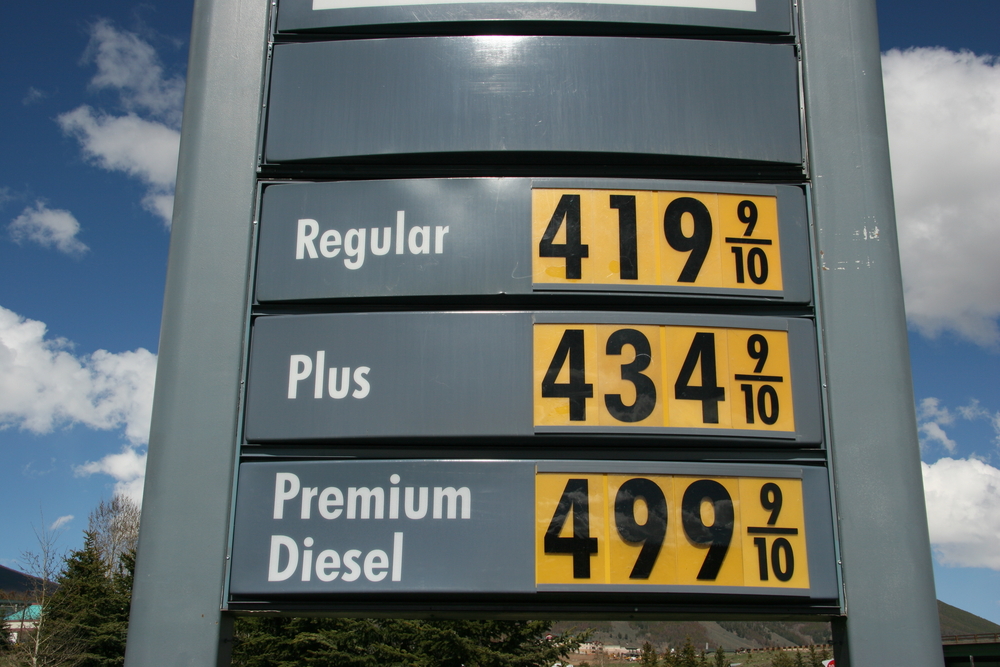
Why U.S. Gas Prices Rise Despite “Energy Independence”
Average U.S. gasoline prices are back above $4 per gallon, and few people are happy about it—except perhaps the oil industry. The reality is that U.S. energy independence does not guarantee low domestic fuel prices.
As the world’s largest oil producer, the United States can protect itself from physical fuel shortages by maintaining a strong baseline supply of energy. But oil is a globally traded commodity, so gasoline prices in the U.S. still reflect volatility in international markets.
The United States may be energy independent, yet a conflict or supply disruption thousands of miles away can quickly raise prices at local gas stations. This apparent contradiction leads many people to suspect price gouging or wonder how an energy-independent country can remain vulnerable to global price spikes.
Several factors contribute to high fuel prices, but two are especially important: oil and refined products are traded globally, and much of the U.S. refining system is configured to process crude oil that domestic producers generally do not supply.
The Global Oil Market
The United States can be considered energy independent because it produces enough total energy to meet its own needs and, in some periods, exports more energy than it imports. However, crude oil is still bought and sold in a global market, with prices determined by worldwide supply and demand.
When geopolitical tensions disrupt oil production or shipping routes—as is currently the case in the Strait of Hormuz—the global oil supply can tighten. Because U.S. producers operate in a free market, they can sell oil to the highest bidder, whether that buyer is domestic or overseas. In effect, supplies tend to flow toward the markets offering the highest prices.
If a global shortage pushes crude oil to $100 per barrel, U.S. buyers must pay a comparable price to compete for available supplies. As a result, American consumers pay the prevailing global price even when much of the oil is produced at home.
The Refining Mismatch
A second structural issue affects U.S. gasoline prices. Oil from American shale fields is primarily “light, sweet” crude, meaning it has relatively low density and low sulfur content. Many U.S. refineries—particularly along the Gulf Coast—were built decades ago to process heavier, higher-sulfur crude.
Before the shale boom, these refineries commonly relied on heavy crude imported from countries such as Venezuela and Saudi Arabia. That mismatch has created a significant two-way trade:
- The United States exports millions of barrels of light crude to foreign markets.
- The United States imports millions of barrels of heavy crude to keep its refineries operating efficiently.
This arrangement keeps the U.S. closely tied to the global oil market, even when domestic production is high.
The Role of Retailers
Drivers often notice that gasoline prices rise soon after news of an international conflict—long before higher-priced oil could physically reach a local station. This is largely because gasoline prices reflect replacement costs.
Most gas stations are not owned by major oil companies; According to NACS (National Association of Convenience Stores) fewer than 1% of U.S. stations are major-oil-company-owned. Station owners cannot price fuel solely based on what they paid for the gasoline already in their underground tanks. They must also consider what it will cost to buy their next delivery.
When wholesale prices rise, retailers adjust pump prices so they can afford to replenish their inventory. In other words, the price at the pump reflects the expected cost of replacing fuel, not simply the cost of the fuel already in storage.
Ukrainian Attacks on Russian Refineries
Ukraine’s ongoing drone campaign against Russian oil infrastructure has added pressure to global fuel markets. Reuters reports that by targeting oil depots and refineries, Ukraine has reportedly taken an estimated 17% of Russia’s refining capacity offline.
When a refinery is damaged, it cannot produce gasoline, diesel, or jet fuel. Russia may then reduce fuel exports or import more finished petroleum products for domestic use.
A reduction in the global supply of refined fuels can tighten gasoline and diesel markets even if crude oil prices decline. That can raise wholesale costs for suppliers, including those serving the United States.
Profits and Shortages
Oil companies can earn substantial profits when prices rise during supply shortages. In these situations, prices are driven less by the cost of extracting oil than by the market value of a scarce but essential commodity.
A similar dynamic has appeared during shortages of consumer products such as Beanie Babies and Cabbage Patch Kids, though those shortages were largely artificial and short-lived. Oil and refined-product shortages, by contrast, reflect genuine constraints in production, transportation, and refining capacity. The bottom line for gas prices is that we can expect the volatility and elevated levels of fuel prices to continue until the wars in Iran and Ukraine reach some rational conclusion.
Have a great week!
What We’re Reading
-
Iran’s chief negotiator accuses Trump of ‘theater diplomacy’ with Hormuz traffic near standstill
-
Jamie Dimon says AI build-out could help unleash ‘skunk at the party’ for the world economy
-
MIT unveils a robot that flies and swims. Now it wants to put it into action
Palumbo Wealth Management (PWM) is a registered investment advisor. Advisory services are only offered to clients or prospective clients where PWM and its representatives are properly licensed or exempt from licensure. For additional information, please visit our website at www.palumbowm.com.
The information provided is for educational and informational purposes only and does not constitute investment advice and it should not be relied on as such. It should not be considered a solicitation to buy or an offer to sell a security. It does not take into account any investor’s particular investment objectives, strategies, tax status, or investment horizon. You should consult your attorney or tax advisor.
The views expressed in this commentary are subject to change based on market and other conditions. These documents may contain certain statements that may be deemed forward‐looking statements. Please note that any such statements are not guarantees of any future performance and actual results or developments may differ materially from those projected. Any projections, market outlooks, or estimates are based upon certain assumptions and should not be construed as indicative of actual events that will occur.
All information has been obtained from sources believed to be dependable, but its accuracy is not guaranteed. There is no representation or warranty as to the current accuracy, reliability, or completeness of, nor liability for, decisions based on such information and it should not be relied on as such.
All information has been obtained from sources believed to be dependable, but its accuracy is not guaranteed. There is no representation or warranty as to the current accuracy, reliability, or completeness of, nor liability for, decisions based on such information, and it should not be relied on as such.
The views expressed in this commentary are subject to change based on the market and other conditions. These documents may contain certain statements that may be deemed forward‐looking statements. Please note that no such statements are guarantees of any future performance, and actual results or developments may differ materially from those projected. Any projections, market outlooks, or estimates are based upon certain assumptions and should not be construed as indicative of actual events that will occur.
Past performance is no guarantee of future returns.
Crude Oil, crude oil prices, fuel prices, Gas Prices, Gasoline, oil refining, russia refineries, Strait of Hormuz, Ukraine WarBy: Adam
