
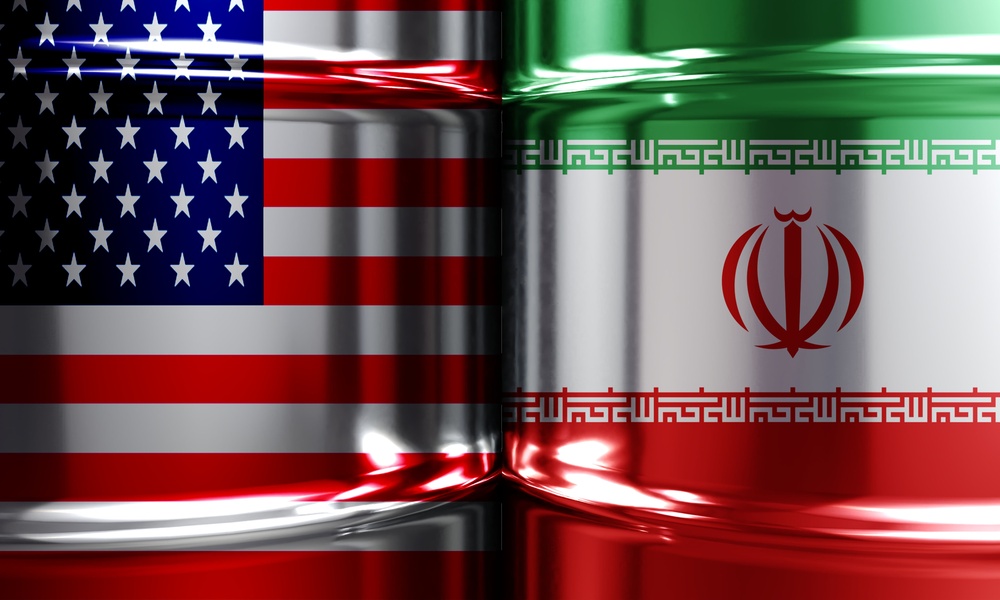
Iran Forced to the Negotiating Table
We believe the standoff in the Middle East may be reaching a critical inflection point. Early reports on April 24 indicate that Iran is returning to the negotiating table in Islamabad. While diplomatic pressure is a factor, we suspect the real driver is a “ticking clock” deep underground: the imminent and potentially permanent destruction of Iran’s oil wealth.
The U.S. naval blockade of the Strait of Hormuz has effectively halted Iran’s exports. Tankers are unable to leave Kharg Island, Iran’s primary export terminal, and storage tanks are expected to hit their physical capacity within days and there were reports this week that Iran was beginning to revive old tankers to use as emergency storage.
Once storage is full, Iran faces a nightmare scenario. Without a place to store the crude, they must stop the pumps. Unlike a planned maintenance pause, these are emergency stops that carry catastrophic risks for the reservoirs themselves.
Shutting in Middle Eastern wells isn’t like turning off a faucet; it is a high-risk gamble with geology. For Iran, a shutdown could lead to:
- Reservoir Damage: Stopping the flow can cause “water coning,” where water seeps into oil-bearing rock and permanently traps hydrocarbons in the pores.
- Physical Blockages: As oil cools and sits stagnant, heavy waxes and asphaltenes solidify into “slugs,” creating blocks that are expensive—and sometimes impossible—to clear.
- Geological Shocks: Sudden pressure changes can cause “formation damage,” where the rock structure itself shifts, moving tiny particles called “fines” that clog the flow path forever.
An April 26 Deadline?
The technical reality is creating a hard deadline for Iranian leadership. Analysts warn that if the blockade is not lifted by April 26, 2026, the overflow could necessitate widespread shut-ins. There are aready reports that Iran is reviving old tankers to be used for storage purposes, but how long this and other strategies to might be able to extend the deadline is not clear.
Treasury Secretary Scott Bessent has described these wells as “fragile,” noting that a total halt in flow could lead to the permanent loss of production capacity. This isn’t just a temporary loss of revenue—estimated at $500 million per day—but the potential “locking away” of Iran’s national wealth for generations. The economic and geological pressure is close to becoming unbearable.
The naval blockade remains the primary lever. While a general ceasefire is in place, the U.S. has made it clear that the “cork” stays in the bottle until a final deal is reached in Islamabad. For Iran, the choice is clear: reach a settlement soon, or potentially watch their oil infrastructure crumble from the inside out.
Have a great week!
What We’re Reading
-
DOJ drops criminal probe of Fed Chair Powell, removes hurdle for Warsh confirmation
-
Kevin Warsh gave his preferred way for measuring inflation. It could come back to bite him
-
Iran’s top diplomat heads to Pakistan as fresh talks expected, sources say
-
20,000 job cuts at Meta, Microsoft raise concern that AI-driven labor crisis is here
- How war on Iran turned Pakistan’s LNG surplus into a looming shortage
Palumbo Wealth Management (PWM) is a registered investment advisor. Advisory services are only offered to clients or prospective clients where PWM and its representatives are properly licensed or exempt from licensure. For additional information, please visit our website at www.palumbowm.com.
The information provided is for educational and informational purposes only and does not constitute investment advice and it should not be relied on as such. It should not be considered a solicitation to buy or an offer to sell a security. It does not take into account any investor’s particular investment objectives, strategies, tax status, or investment horizon. You should consult your attorney or tax advisor.
The views expressed in this commentary are subject to change based on market and other conditions. These documents may contain certain statements that may be deemed forward‐looking statements. Please note that any such statements are not guarantees of any future performance and actual results or developments may differ materially from those projected. Any projections, market outlooks, or estimates are based upon certain assumptions and should not be construed as indicative of actual events that will occur.
All information has been obtained from sources believed to be dependable, but its accuracy is not guaranteed. There is no representation or warranty as to the current accuracy, reliability, or completeness of, nor liability for, decisions based on such information and it should not be relied on as such.
All information has been obtained from sources believed to be dependable, but its accuracy is not guaranteed. There is no representation or warranty as to the current accuracy, reliability, or completeness of, nor liability for, decisions based on such information, and it should not be relied on as such.
The views expressed in this commentary are subject to change based on the market and other conditions. These documents may contain certain statements that may be deemed forward‐looking statements. Please note that no such statements are guarantees of any future performance, and actual results or developments may differ materially from those projected. Any projections, market outlooks, or estimates are based upon certain assumptions and should not be construed as indicative of actual events that will occur.
Past performance is no guarantee of future returns.
Iran War, middle east, middle east oil, Strait of Hormuz, U.S. Naval BlockadeBy: Adam
